
Skip to content

BIRTHDAY SALE

shopping cart

Your shopping cart is empty

Continue shopping

Why are all Muslim women suddenly interested in natural products?

7 Reasons Why Natural Fibers Are Turning the Hijab Market Upside Down

1. Because we don't want to be poisoned

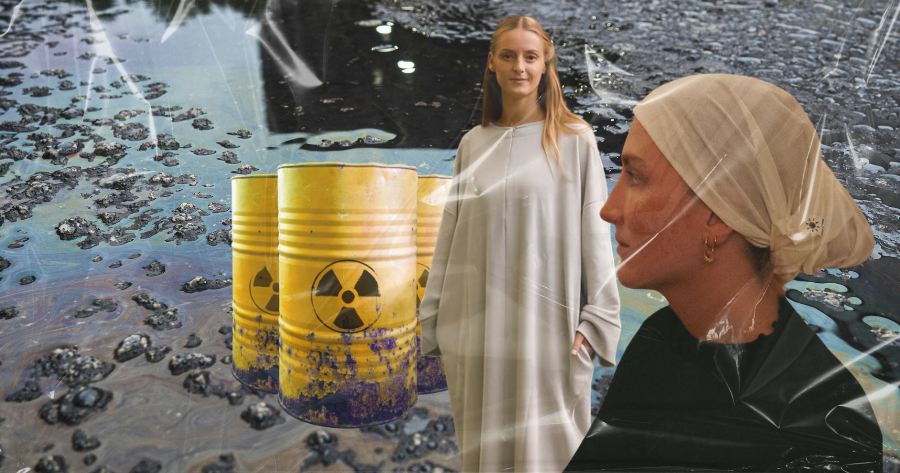
Most hijabs and abayas on the market are made of polyester. Polyester is not a natural material. It is a synthetic fabric made from fossil-based raw materials and is extremely widespread in the textile industry. Various chemicals may also be used in the production and finishing of textiles. Depending on the product and manufacturing process, these may include, for example, certain PFAS, phthalates, bisphenols, or formaldehyde. Let’s be honest: If I have the choice between plastic on my head and a good natural fiber, why shouldn’t I take a closer look? And that’s exactly what more and more women are doing.

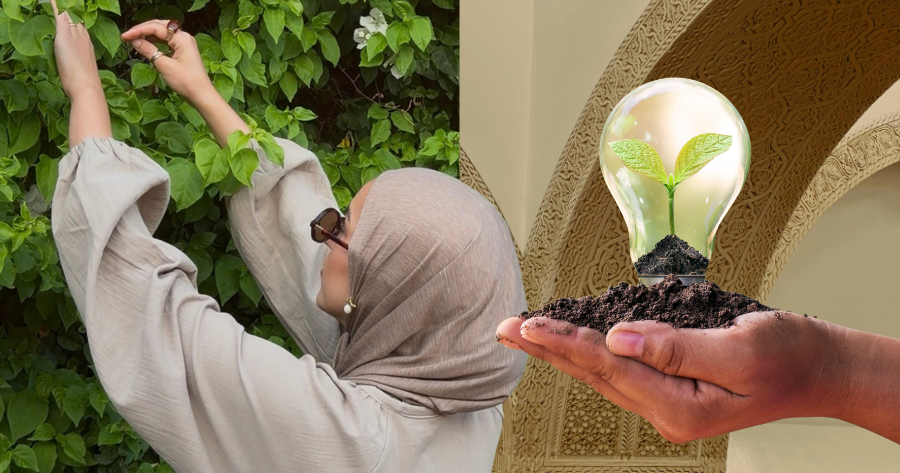
2. Weil Umweltschutz Ehrensache ist

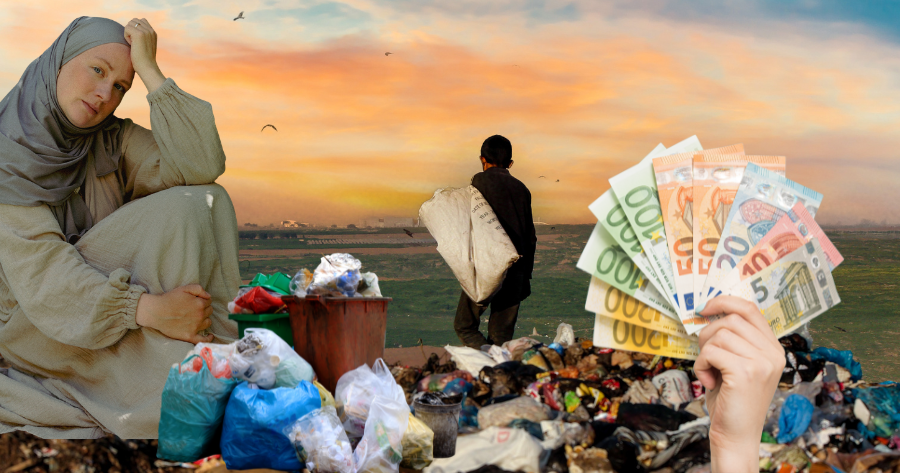
Now comes the part we don’t really like to think about when we’re shopping. A hijab might cost 10 euros, sometimes even less. But its environmental impact doesn’t end at the checkout counter. Polyester isn’t biodegradable and can persist in the environment for a very long time. When washed, synthetic fabrics can also release microplastics that end up in the environment via wastewater.

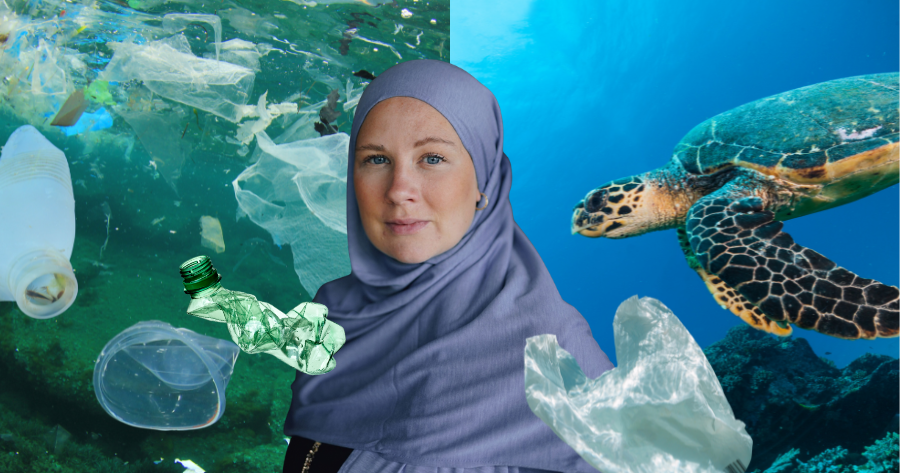
Imagine this: Every polyester hijab that has ever been produced is still here on Earth! That’s because it takes over 500 years for polyester to decompose. There’s even an entire “plastic island” in the ocean. The Great Pacific Garbage Patch in the North Pacific, between Hawaii and California, covers over 1.6 million square kilometers (several times the size of Germany). Trillions of pieces of plastic are floating there, ranging from large nets to invisible microplastics.

And then just think about the millions of hijabs and abayas that are produced every year. Maybe “just buying something new” isn’t quite as harmless as it feels when you’re checking out.

3. Because polyester = sauna

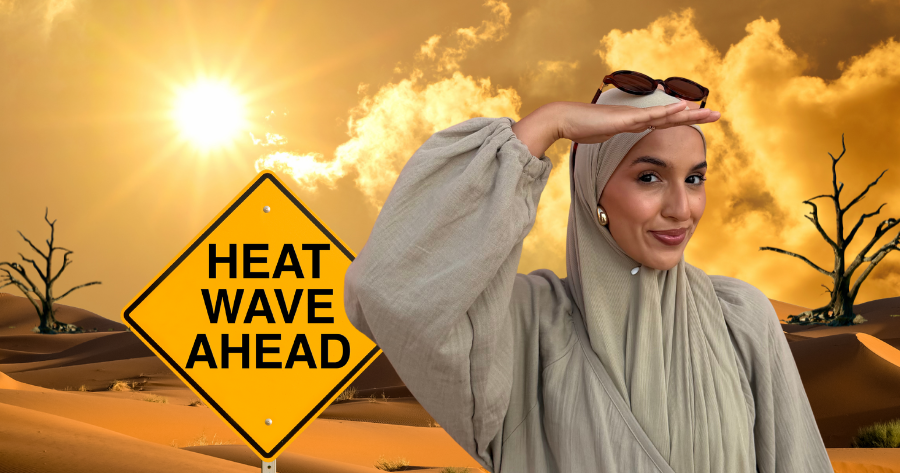
We need to talk about this. Polyester. 35 degrees. Hijab. May Allah have mercy! Synthetic fabrics can feel uncomfortable in hot, humid weather. Natural fibers like cotton, on the other hand, can absorb moisture and are therefore considered more comfortable by many people, especially in warm weather. And that makes a pretty big difference when it comes to a hijab. Because your headscarf isn’t just sitting somewhere on your elbow. It sits on your head. All day long. Especially when you’re out and about, have kids, are working, praying, shopping, and then want to quickly run “just one errand” before you’re back home three hours later. You know what I mean. 😂

4. Because even the best skincare won't do you any good if you ignore your clothes

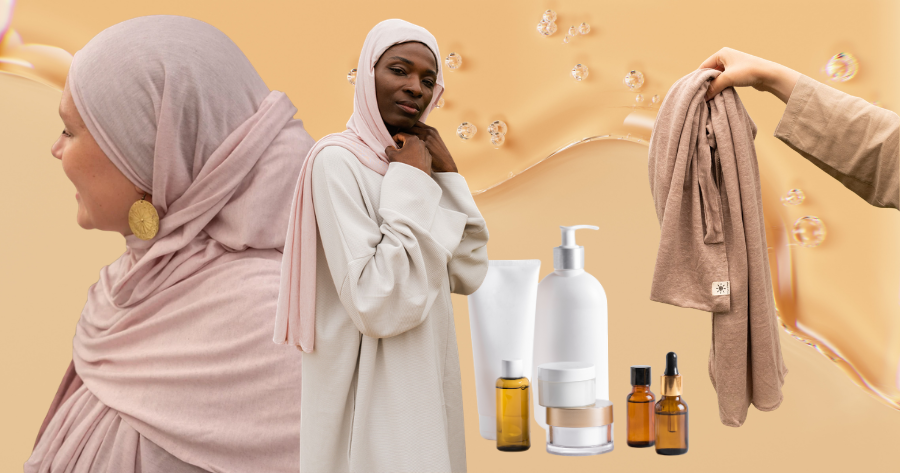
We spend money on shampoo, conditioner, hair oils, and skincare products. And then we wrap our hair in some kind of fabric for hours every day without even asking ourselves what effect the material has. Yet clothing can definitely play a role when it comes to sensitive skin. Friction, heat, and moisture can aggravate skin conditions. If something is in direct contact with your skin every day, it’s worth giving it some thought. And natural fibers can be a wonderful alternative here. Materials like silk—which has a very smooth surface and is therefore traditionally valued for hair care —are particularly interesting. So maybe you don’t need yet another hair serum. Maybe you just need a hijab that doesn’t treat your hair like an AliExpress return.

5. Weil Naturfasern Tradition sind

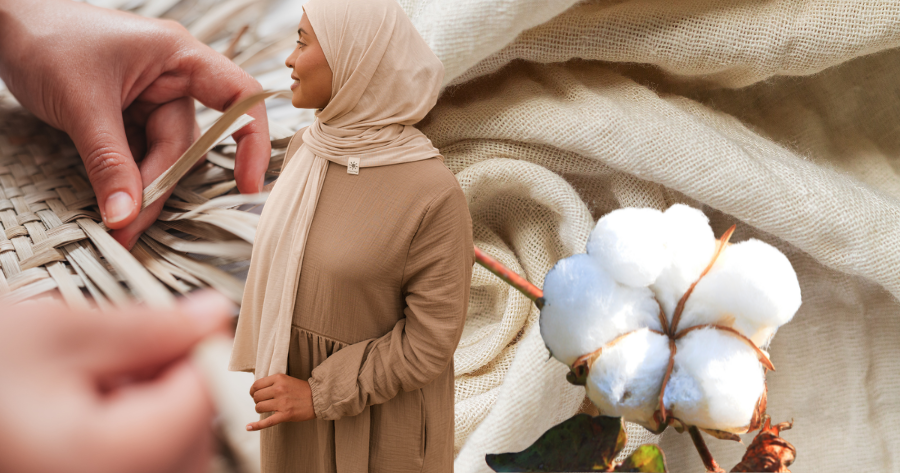
Und jetzt wird es interessant. Polyester ist neu. Naturfasern sind es nicht. Baumwolle, Wolle, Leinen und Seide begleiten die Menschheitsgeschichte seit Jahrtausenden. Und auch in unserer Tradition finden wir Kleidung aus natürlichen Materialien. In einer Überlieferung bei Abu Dawud wird beispielsweise berichtet, dass dem Propheten feines ägyptisches Leinen gebracht wurde und er daraus ein Kleidungsstück für sich und ein Gewand für seine Frau machen ließ. Man könnte sich also tatsächlich die Frage stellen, ob Naturstoffe einfach normal sind?

Fun fact: In the past, linen was also used in hospitals because of its antibacterial and healing properties.

6. Because we understand that our money has power

For many of us, something is changing right now. We no longer just ask, “Is this abaya beautiful?” but also, “Who made it?” Because when we spend our money, we’re supporting businesses. And more and more Muslim women don’t want to support business models that exploit people, pay workers unfairly, or produce their clothing under conditions they themselves would never accept. That’s why there’s also growing interest in transparent supply chains, fair production, and more conscious consumption. For us, this isn’t just a political fad. It’s part of a much older Islamic concept: responsibility.

7. Weil "erlaubt" nicht das Ende der Frage ist

Jetzt wird’s heiß. Ein Polyester-Hijab kann selbstverständlich erlaubt sein. Doch vielleicht geht es noch um viel mehr. Wenn wir unsere Nahrung hinterfragen, schauen wir auf Zutaten. Wenn wir Kosmetik kaufen, schauen wir auf Inhaltsstoffe. Wenn wir Medikamente nehmen, wollen wir wissen, was darin steckt. Warum sollte bei unserem Hijab plötzlich das Etikett „100 % Polyester“ reichen?

Perhaps we, as Muslim women, can also become more mindful when it comes to clothing. Not because polyester is automatically haram, but because we have the opportunity to do better.

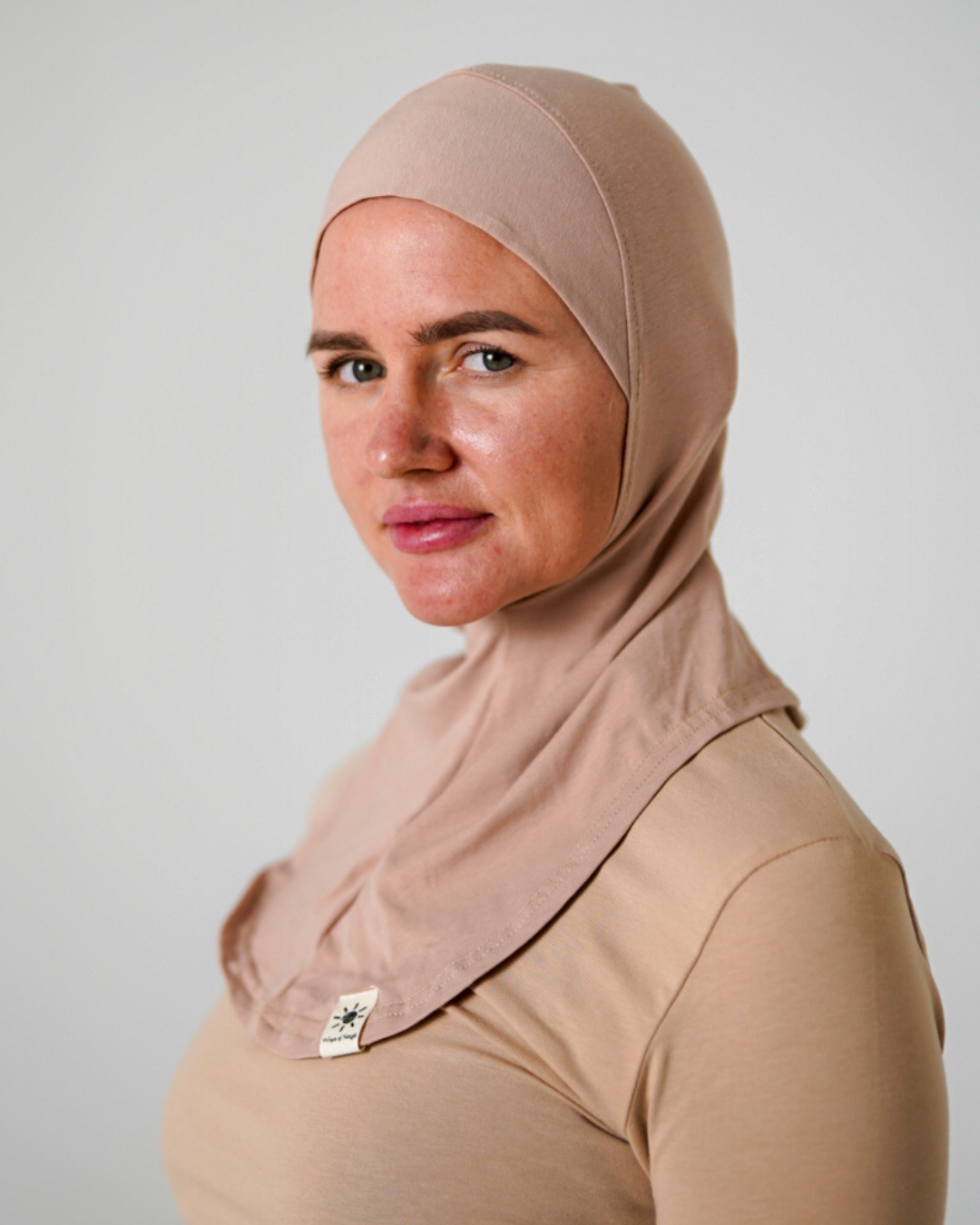
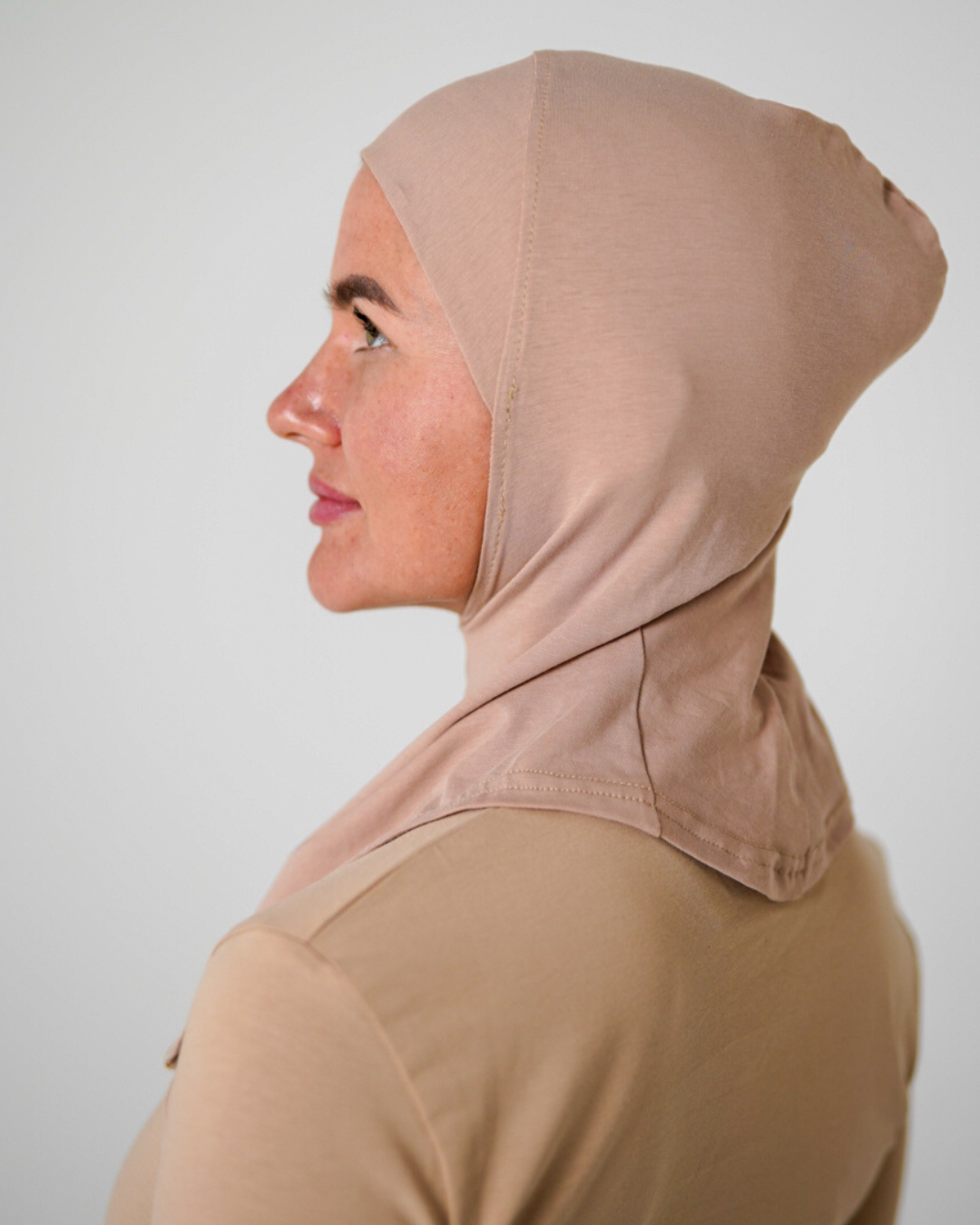
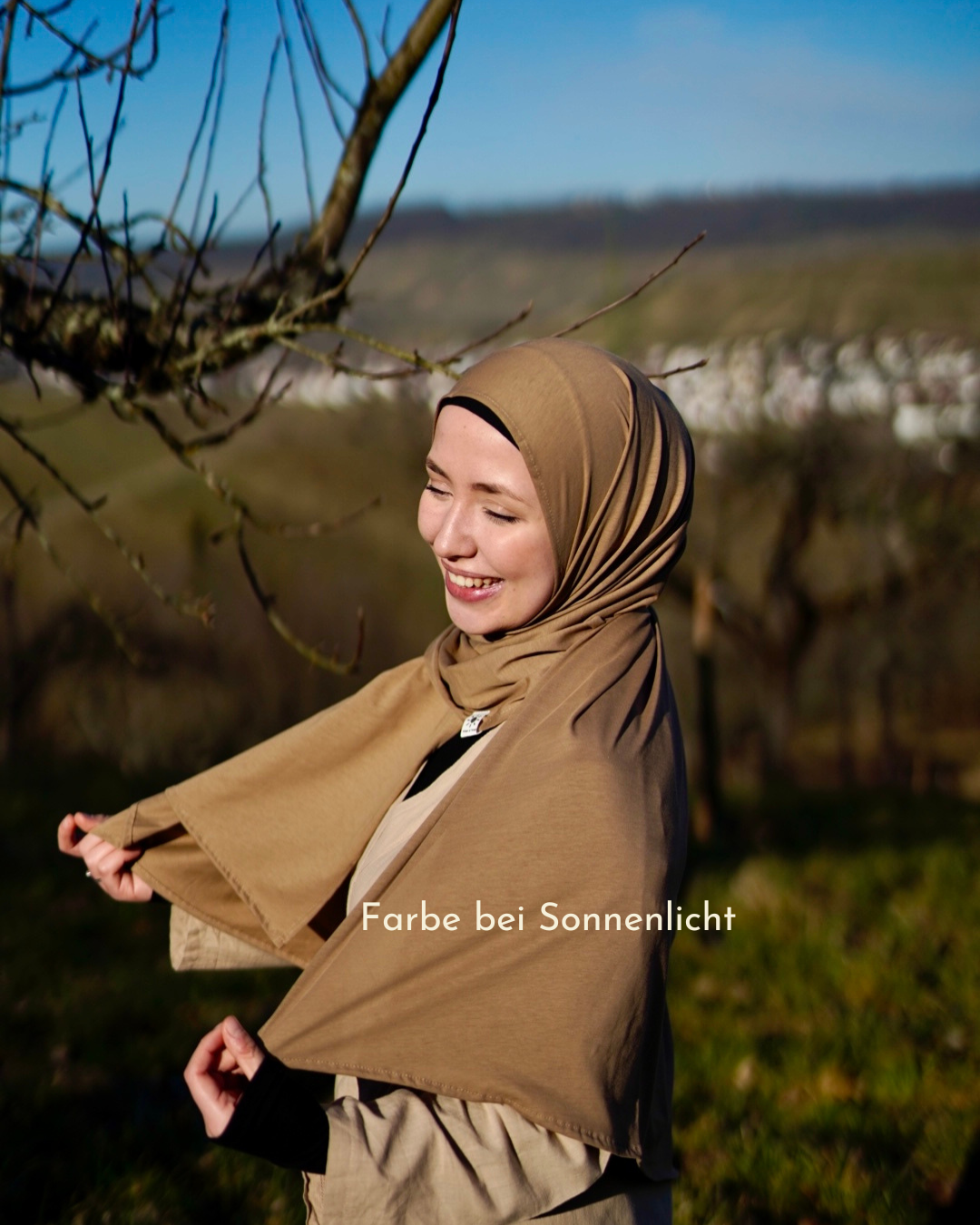
And if you want to not only understand the hype but also experience it for yourself: Get started with your first WoN.

Save 15% on your first order

Use the code on your first order

START

For orders of €100 or more